


The sign industry runs on a wide range of technology. Some companies use commercial off-the-shelf software. Others have built systems over the years; spreadsheets alongside custom applications written a decade or two ago, often maintained by a single person and quietly approaching end of life. Newer generations taking over family businesses are looking at these setups and asking a reasonable question: is there a better way?
Epicor Is Moving Away From On-Prem ERP: Your Alternatives

In January 2026, Epicor made it official: all new features for Kinetic, Prophet 21, and BisTrack will be developed exclusively for the cloud going forward. Final on-premises releases are scheduled for 2028, with active support tapering off through 2029. After that, on-prem customers receive only security patches and limited phone support, with no new features or new modules.
Is Your ERP CMMC-Ready? What To Know About FedRAMP Certification
If your company does business with the Department of Defense, CMMC compliance is still a requirement. A recent 60-day pause was issued to provide clarity on implementation timelines. The underlying standards remain in place, and the day when companies will need to pass a third-party audit is still coming. The question is whether you are preparing for it.
Cloud ERP For Manufacturing: A Complete Overview

Manufacturers have made the move to cloud-based ERP systems
It seems like just yesterday that the concept of cloud-based ERP for the manufacturing industry was far-fetched. But today’s reality is manufacturers are choosing cloud deployment over on-premise deployment virtually every time. That is a paradigm shift for those of us who have been working with enterprise applications in the manufacturing sector.
Topics:
ERP selection
ERP research
Continue Reading
Top 3 ERP Implementation Challenges

Why ERP projects fail
The vast majority of ERP projects are successful. There are obstacles and challenges associated with any large project, but good teams always succeed. That means you understood the specific steps in the ERP project, built a strong ERP implementation team, and ensured that business objectives drove the primary deliverables for the expected new and improved functionality.
Topics:
ERP research
ERP implementation
Continue Reading
ERP Requirements for Sign Manufacturers

Sign manufacturers have specific business system needs
What sign manufacturers have in common with other types of manufacturers is that they have to plan for material requirements, schedule jobs, and execute the production of those jobs. That being said, sign manufacturers have numerous requirements and needs that are unique to their industry. In this article, we’ll review how those unique requirements can be addressed with ERP for sign manufacturers, or sign shop ERP.
Topics:
ERP selection
ERP research
Continue Reading
Manufacturing ERP: Do You Need It & How Do You Find It?
If you are a manufacturer, your business system either supports your operation or it fights it. There is not much middle ground.
SMB ERP: Choosing the Right ERP For Small To Midsize Manufacturers

In this guide, we break down what small and midsize manufacturers need to know about ERP systems, from core functionality to technology strategy and total cost of ownership.
Topics:
ERP selection
ERP research
Continue Reading
The Future of Cloud ERP for Manufacturing Companies

The future is bright for the continued growth of cloud ERP
More and more manufacturing companies are moving away from on-premise applications. Cloud-based ERP applications are the future for the industry due to the myriad of benefits: alleviated need for hardware, database, and operating system software; fewer internal or outsourced teams for maintenance; and never having to worry about being on the latest version of your ERP.
Topics:
ERP research
Continue Reading
Types Of ERP on the Market Today
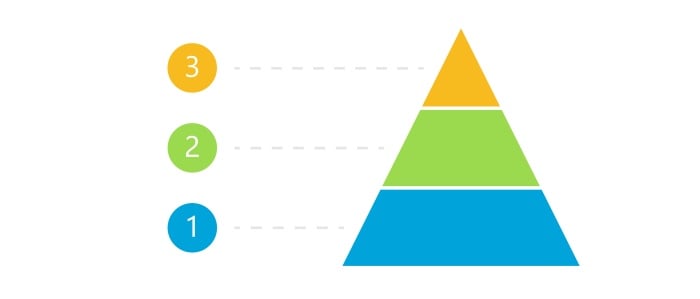
When it comes to choosing an ERP system, it’s easy to get overwhelmed. The options seem endless, and everyone has an opinion about which one’s the best. Here’s the thing: There isn’t one perfect ERP system. Instead, the key is to understand the types of ERP on the market today and figure out which one makes the most sense for your specific situation. Let’s break it down.
Topics:
ERP selection
ERP research
Continue Reading